Film for blister shells and skinpack film
In association with the sachet-plastique.com website, we are able to offer you, at competitive prices, skinpack film and thermoforming film for making blister shells.
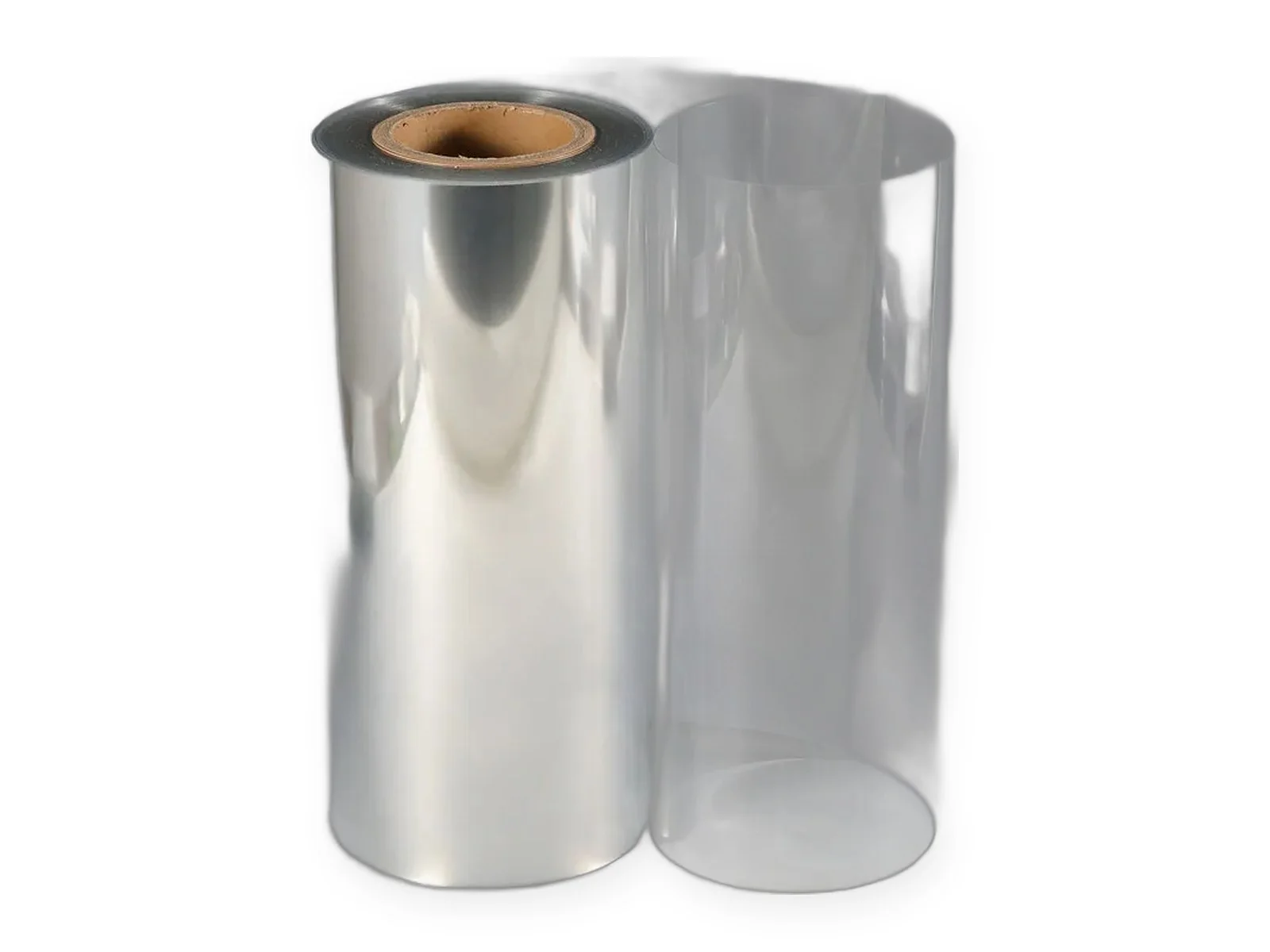
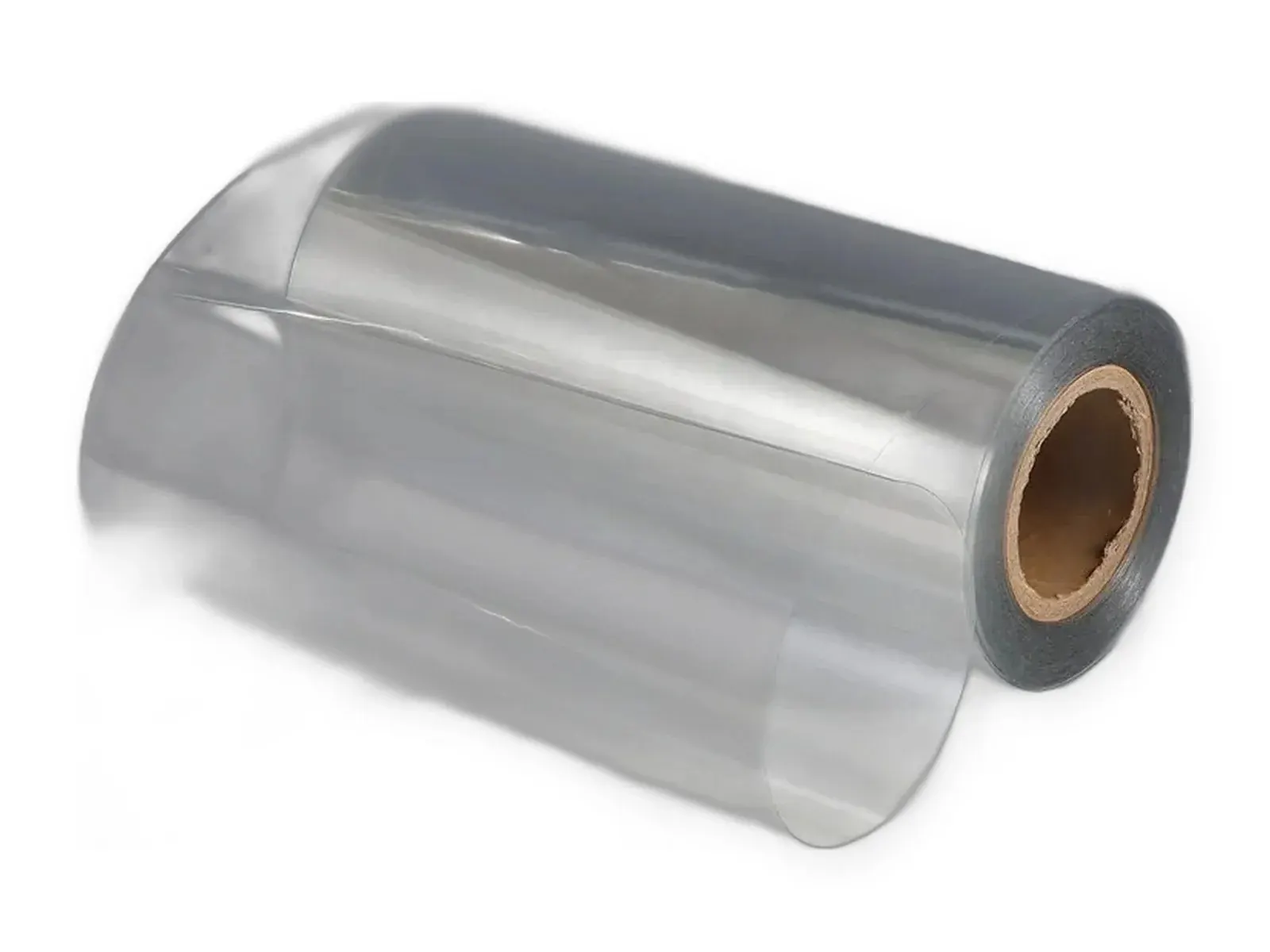
Thermoforming film for blister shells is available in various materials and various widths: PVC, PS, PP and other complex materials.
OUR PRICES: Click on the PDF file to view our prices.
This thermoformable skinpack film can be adhesive or not. It is designed to pack various items onto a cardboard backing using the skin packaging system
"Standard Surlyn film" for industrial items and "Very high transparency Surlyn film" for mass retail.
Features and benefits:
- Standard width between 360 and 1250 mm.
- Thickness: from 100 to 300 microns.
- High-transparency appearance
- Fast heat-fusion.
- Higher strength than conventional polyethylene film.
- Surlyn allows you to select a film of a lower gauge than the one you used before (10 to 20% thinner).
- No plasticisers in Surlyn, so products do not stick to the film.
OUR PRICES: Click on the PDF file to view our prices.
Greenpeace has developed a plastics pyramid to help those who choose more environmentally friendly materials...
The plastics pyramid is a ranking of plastics according to their hazardous characteristics.
This study shows that PET, PP and PE are the most environmentally friendly plastics; these plastics are widely used at carte-blister.com
- 1) Polyvinyl chloride (PVC) - Very difficult to recycle.
- 2) Polyurethane (PU), polystyrene (PS), acrylonitrile butadiene styrene (ABS), polycarbonate (PC) - PS can technically be recycled, but recycling rates are low, although still higher than for PVC.
- 3) Polyethylene terephthalate (PET), polyolefins (PE, PP, etc.) - High PET recycling rates compared with other plastics.
PE and PP are versatile and inexpensive, and can be designed to replace almost all PVC applications. PE can be made either strong or very flexible, without the use of plasticisers. PP can also be used in a wide range of applications. - 4) Bioplastics or biopolymers. New bioplastic materials can be made from starch.
source: Greenpeace
Your quotation within 4 hours
Fill in our pre-filled form to get a personalised quote within 4 hours.